

Best Cities for First-Time Home Buyers in 2026, and What That Means for Buyers in Los Angeles
- Kevin Gerdes

- Apr 20
- 4 min read
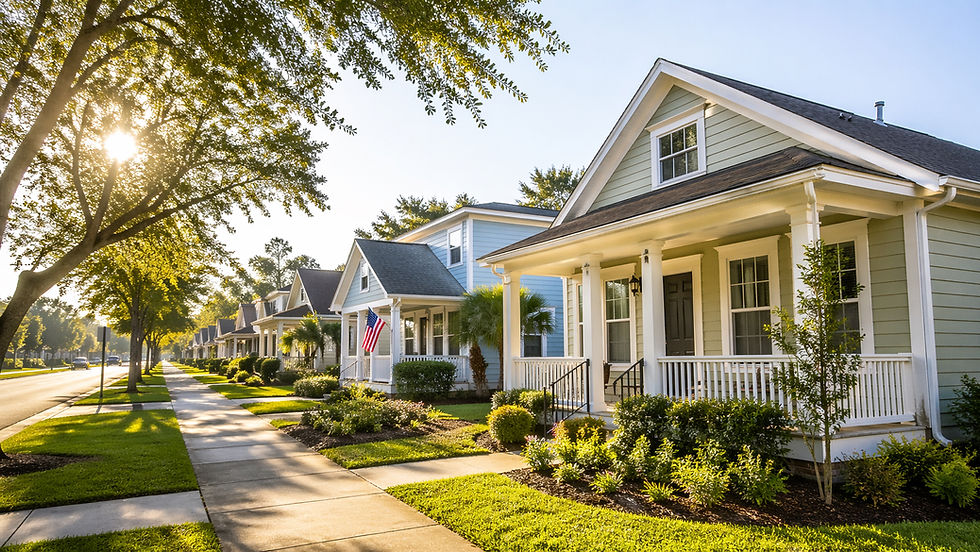
When I read Zillow’s new report on the best cities for first-time home buyers in 2026, my first thought was that this is one of those studies that feels useful not just because of who made the top 10, but because of what it says about where the market still feels possible for everyday buyers. This blog is sourced from Zillow Research, which ranked the 50 largest U.S. metros based on rent affordability, the share of affordable listings, buyer competition for attainable homes, and the share of households in prime first-time-buying years.
According to Zillow, the top 10 markets for first-time buyers in 2026 are Jacksonville, Birmingham, San Antonio, Atlanta, Houston, St. Louis, Detroit, Raleigh, Baltimore, and Louisville. Zillow also found that six of the top 10 are in the Sun Belt, where inventory has improved and affordability is relatively better than in many coastal markets.
What I think stands out most is that Zillow is not saying these markets are easy. It is saying they are more realistic. That matters. For a lot of renters trying to become owners, the problem is not just mortgage rates or down payment savings. It is whether there are enough homes in their price range to begin with, and whether every decent starter home turns into a bidding war the second it hits the market.

Zillow’s framework for identifying the best housing markets 2026 is actually pretty practical. The company looked at four things: how much of a median household’s income goes toward rent, how many active listings are affordable for a median-income buyer, how much competition there is for those affordable homes, and how many households are in the 29 to 43 age range, which Zillow uses as a proxy for prime first-time homebuying years. A listing counted as affordable if the estimated monthly payment, including taxes, maintenance, and insurance, would take up no more than 30% of median household income, assuming a 20% down payment.
That helps explain why Jacksonville landed at No. 1. Zillow says Jacksonville had a 23% rent burden, 48% of listings affordable to the median-income household, and 5.9 affordable listings per 100 renter households. Birmingham was also strong, with renters spending 21% of income on rent, 56% of listings considered affordable, and 6.2 affordable listings per 100 renters. In other words, these markets offered a better balance of breathing room for renters and actual inventory within reach.
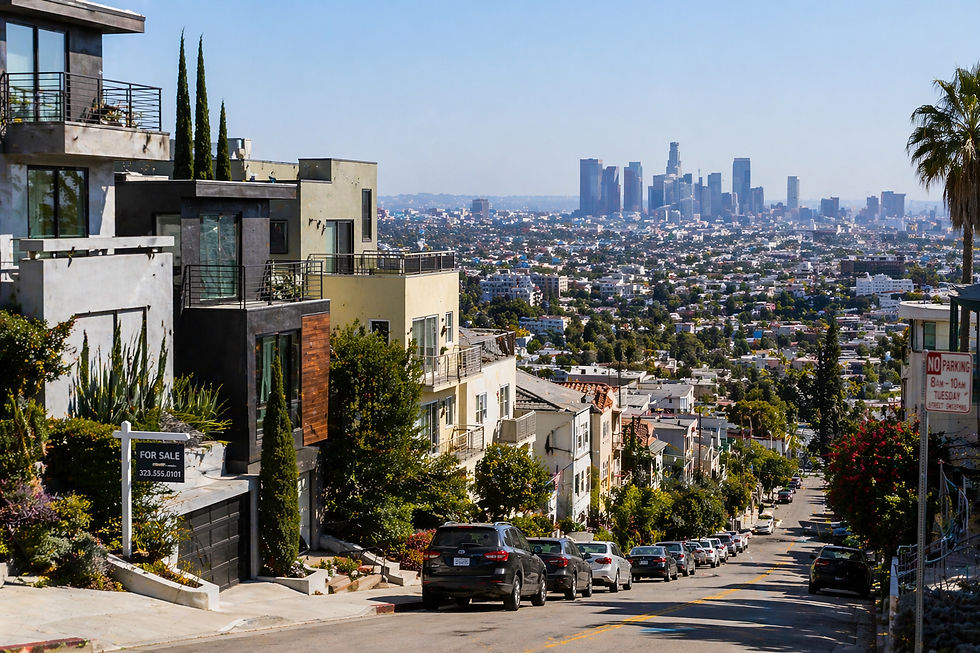
For me, the most important takeaway is what this means for Los Angeles first-time buyers. Zillow’s own ranking data makes it clear that Los Angeles remains one of the toughest major metros for buyers trying to break in. In Los Angeles, renters are spending 33.9% of median household income on rent, only 5.6% of listings are considered affordable for the median-income household, and there are just 0.1 affordable listings per 100 renter households. That is a brutal combination, and it helps explain why so many would-be buyers here feel stuck between renting and waiting.
This is where I think the cultural side of housing becomes impossible to ignore. In markets like Los Angeles, buying your first home is not just about personal discipline or “cutting back on coffee,” the way people sometimes like to frame it. It is also about supply, wage pressure, monthly payment shock, and the simple fact that starter homes are scarce in many high-cost cities. Zillow’s data reinforces that reality. The challenge is structural as much as it is personal.
At the same time, I do not think this report should discourage Southern California buyers. I think it should help them get more strategic. If you are buying in or around Los Angeles, it becomes even more important to understand what your monthly number really is, what neighborhoods still offer relative value, and whether your first purchase needs to be a condo, townhouse, or smaller home instead of the idealized version of a detached house with everything on your wishlist. In a hard market, clarity matters more than fantasy.

It is also worth paying attention to the broader pattern in Zillow’s report. Many of the strongest markets this year are not just cheaper. They are markets where the math is working a little better for ordinary households. That includes lower rent burdens, more attainable listings, and less crowding around the same homes. That is the part first-time buyers should focus on, because it is not just about price, it is about access.
My biggest takeaway from this Zillow report is simple: first-time buyers still have opportunities in 2026, but those opportunities are showing up most clearly in metros where affordability and inventory have improved together. If you are shopping in Los Angeles, this report is a reminder to be realistic, prepared, and patient. If you are willing to widen your search, rethink your first-home criteria, or consider markets where the odds are a little better, there are still paths into ownership. That is what makes this ranking useful. It does not just tell us where buyers are winning. It tells us why.
Source: Zillow


Comments